Co-taught by Lewis Denver and Melanie Risch
Sunday, June 14 · 10–4pm
$140 - work trade options available
In this workshop, participants will take a systematic approach to working with natural materials in ceramic glazes, using simple testing methods to better understand how different ingredients behave in the kiln. We’ll also discuss the sourcing of glaze materials, including the differences between gathered and commercially available ingredients, and how those choices can influence both process and finished work. We’ll explore ways of working with local materials such as ash, clay, and feldspar, using testing as a tool for investigating new ideas in glaze making. Rather than trying to reproduce specific colors or existing glaze recipes, the workshop will guide participants through intuitive material exploration, utilizing simple testing procedures such as line blending and triaxial blending.
Throughout the workshop, participants will prepare glaze test tiles for firing while exploring how changes in material proportions affect surface, color, texture, and melt. Together, we’ll look closely at how small adjustments can create a wide range of outcomes.
While these approaches have much to offer those firing in atmospheric or reduction environments, they can be especially powerful for artists working in electric kilns—opening up ways to achieve more varied, responsive, and “alive” surfaces within an oxidation firing.
By the end of the workshop, participants will be able to:
Use basic glaze testing methods to evaluate local materials
Understand how materials such as ash, clay, and feldspar function within glaze recipes
Create and interpret line blends, triaxial blends
Analyze how changes in material proportions affect glaze surface, color, and melt
Develop strategies for incorporating locally sourced materials into glaze research and studio practice
We’ll also discuss how working with locally gathered materials can carry meaning into the finished work, embedding traces of landscape, ecology, and transformation into the surface of a piece.
Participants are encouraged to bring materials or glaze ideas they’d like to explore within a structured testing framework.
Co-taught by Lewis Denver and Melanie Risch
Sunday, June 14 · 10–4pm
$140 - work trade options available
In this workshop, participants will take a systematic approach to working with natural materials in ceramic glazes, using simple testing methods to better understand how different ingredients behave in the kiln. We’ll also discuss the sourcing of glaze materials, including the differences between gathered and commercially available ingredients, and how those choices can influence both process and finished work. We’ll explore ways of working with local materials such as ash, clay, and feldspar, using testing as a tool for investigating new ideas in glaze making. Rather than trying to reproduce specific colors or existing glaze recipes, the workshop will guide participants through intuitive material exploration, utilizing simple testing procedures such as line blending and triaxial blending.
Throughout the workshop, participants will prepare glaze test tiles for firing while exploring how changes in material proportions affect surface, color, texture, and melt. Together, we’ll look closely at how small adjustments can create a wide range of outcomes.
While these approaches have much to offer those firing in atmospheric or reduction environments, they can be especially powerful for artists working in electric kilns—opening up ways to achieve more varied, responsive, and “alive” surfaces within an oxidation firing.
By the end of the workshop, participants will be able to:
Use basic glaze testing methods to evaluate local materials
Understand how materials such as ash, clay, and feldspar function within glaze recipes
Create and interpret line blends, triaxial blends
Analyze how changes in material proportions affect glaze surface, color, and melt
Develop strategies for incorporating locally sourced materials into glaze research and studio practice
We’ll also discuss how working with locally gathered materials can carry meaning into the finished work, embedding traces of landscape, ecology, and transformation into the surface of a piece.
Participants are encouraged to bring materials or glaze ideas they’d like to explore within a structured testing framework.
 Image 1 of 8
 Image 2 of 8
 Image 3 of 8
 Image 4 of 8
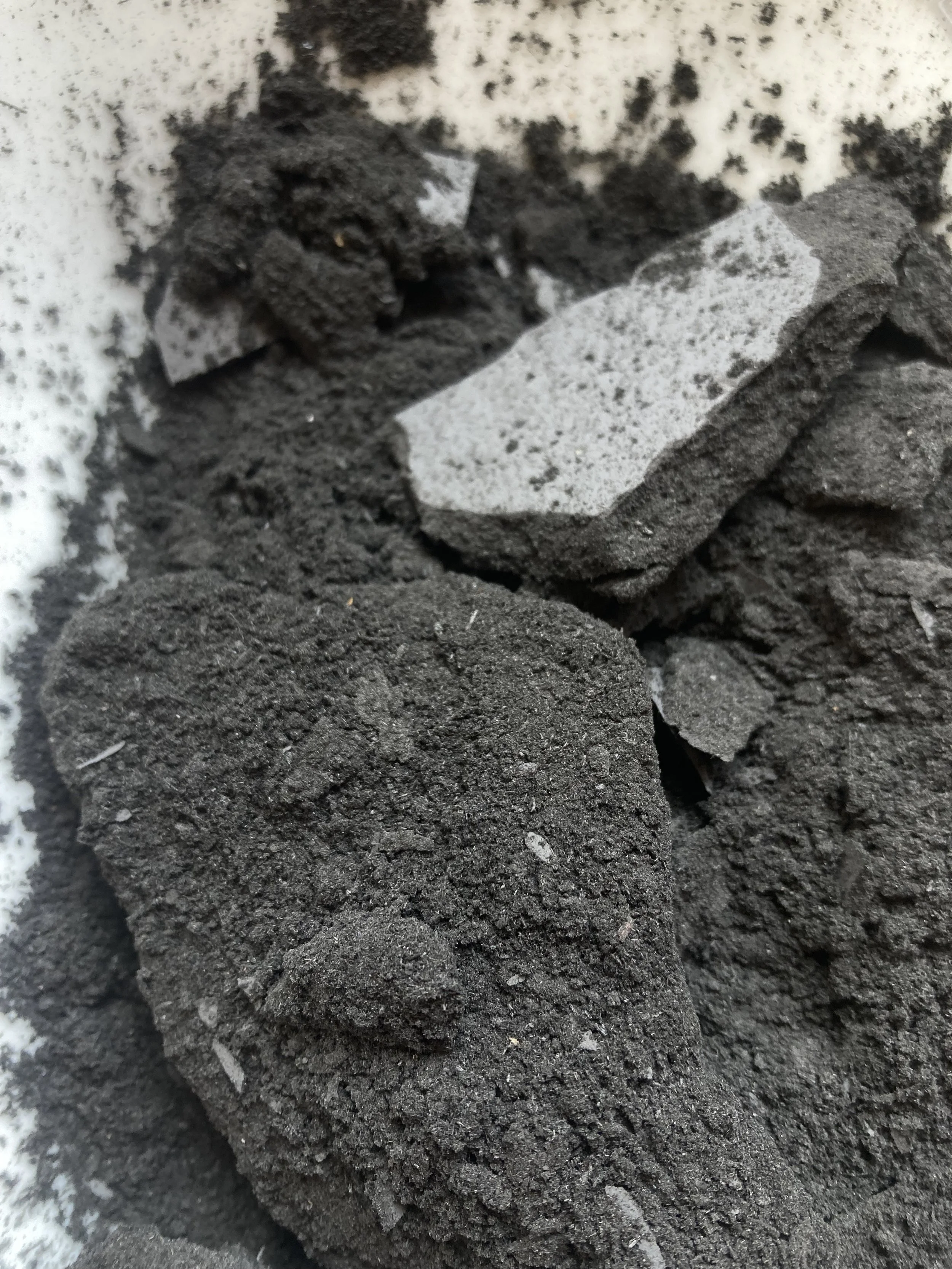 Image 5 of 8
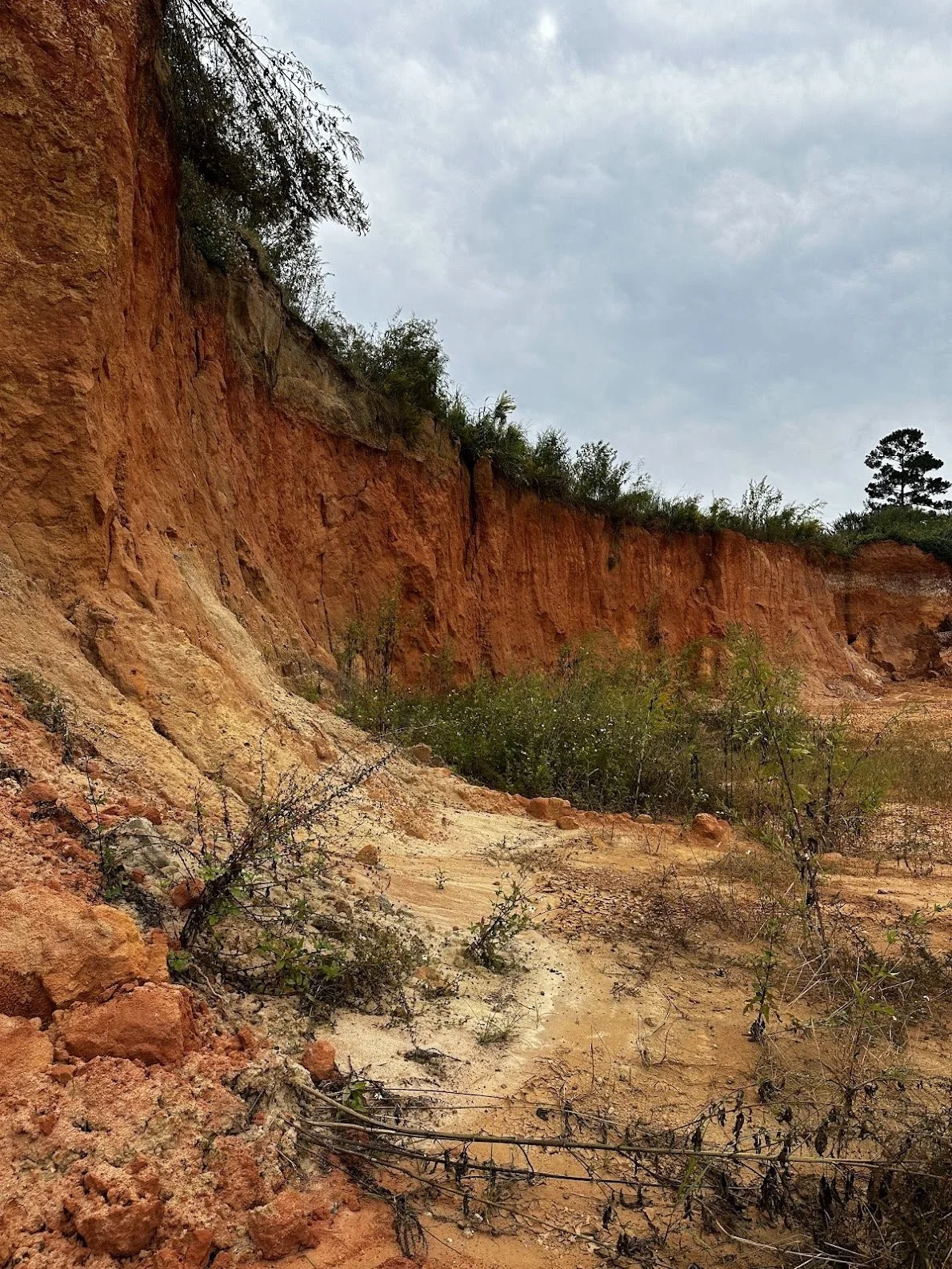 Image 6 of 8
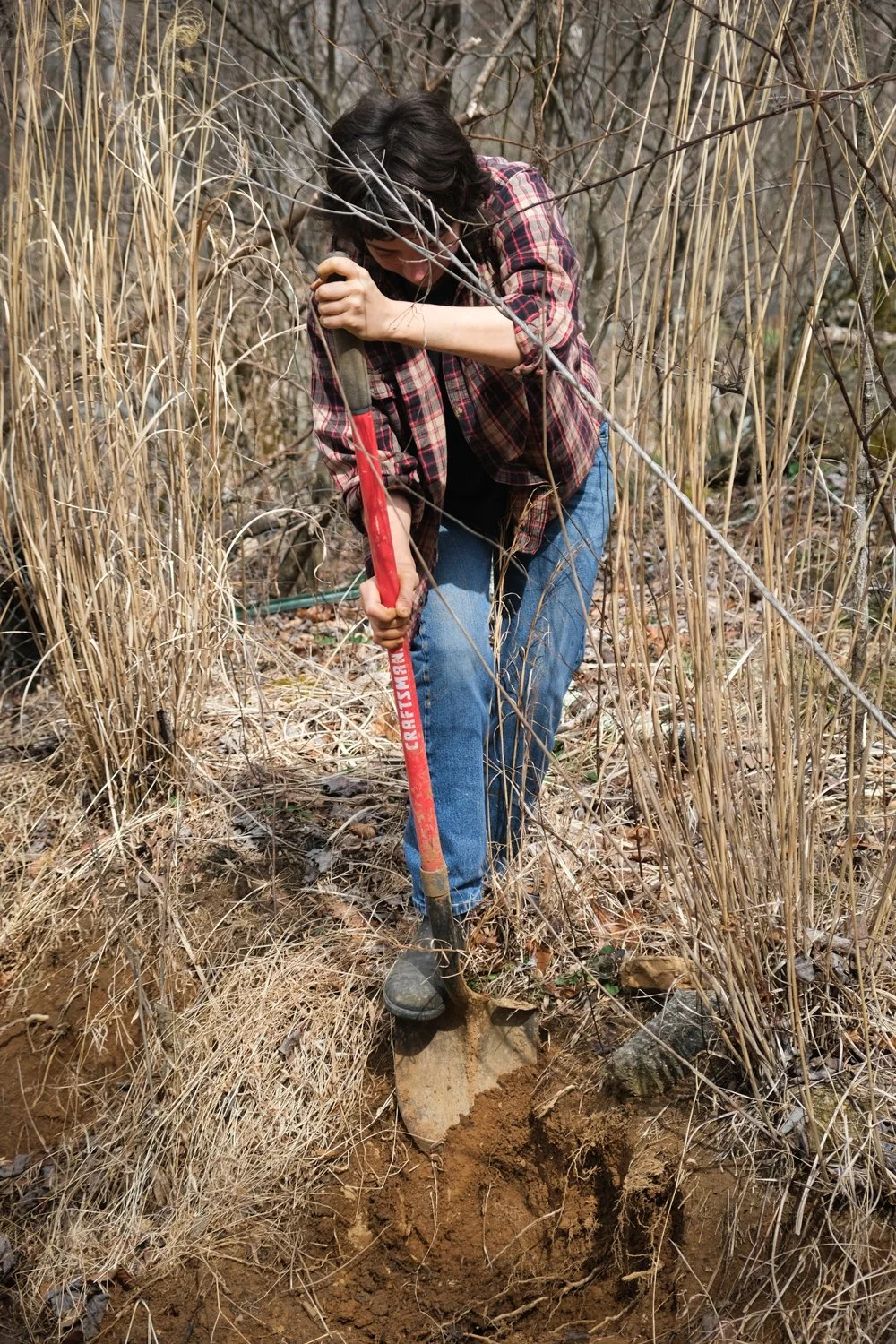 Image 7 of 8
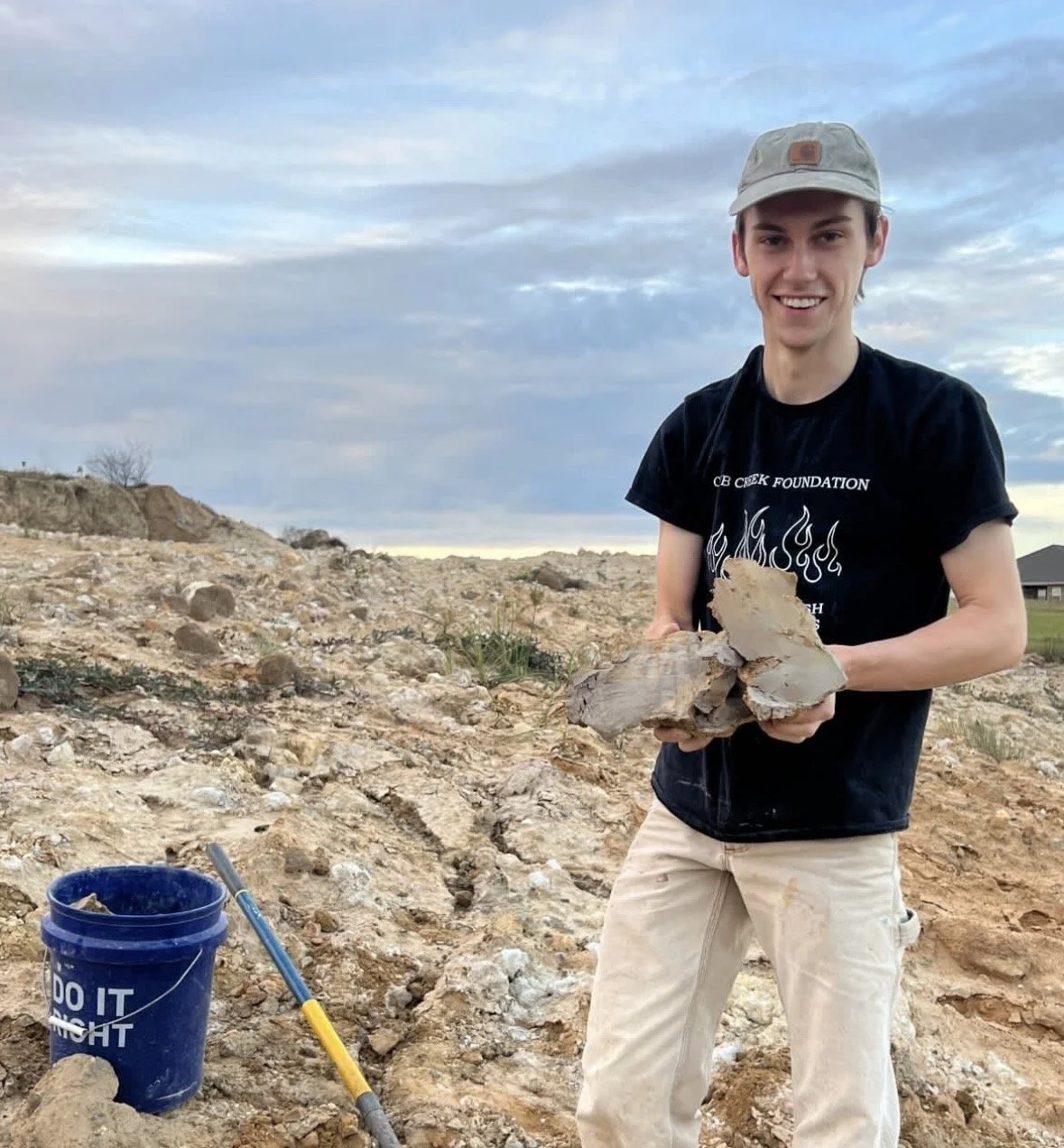 Image 8 of 8